How to Hack Your Grades and Succeed: The Truth, the Risks, and the Smart Alternative
Cyberlord Security Team
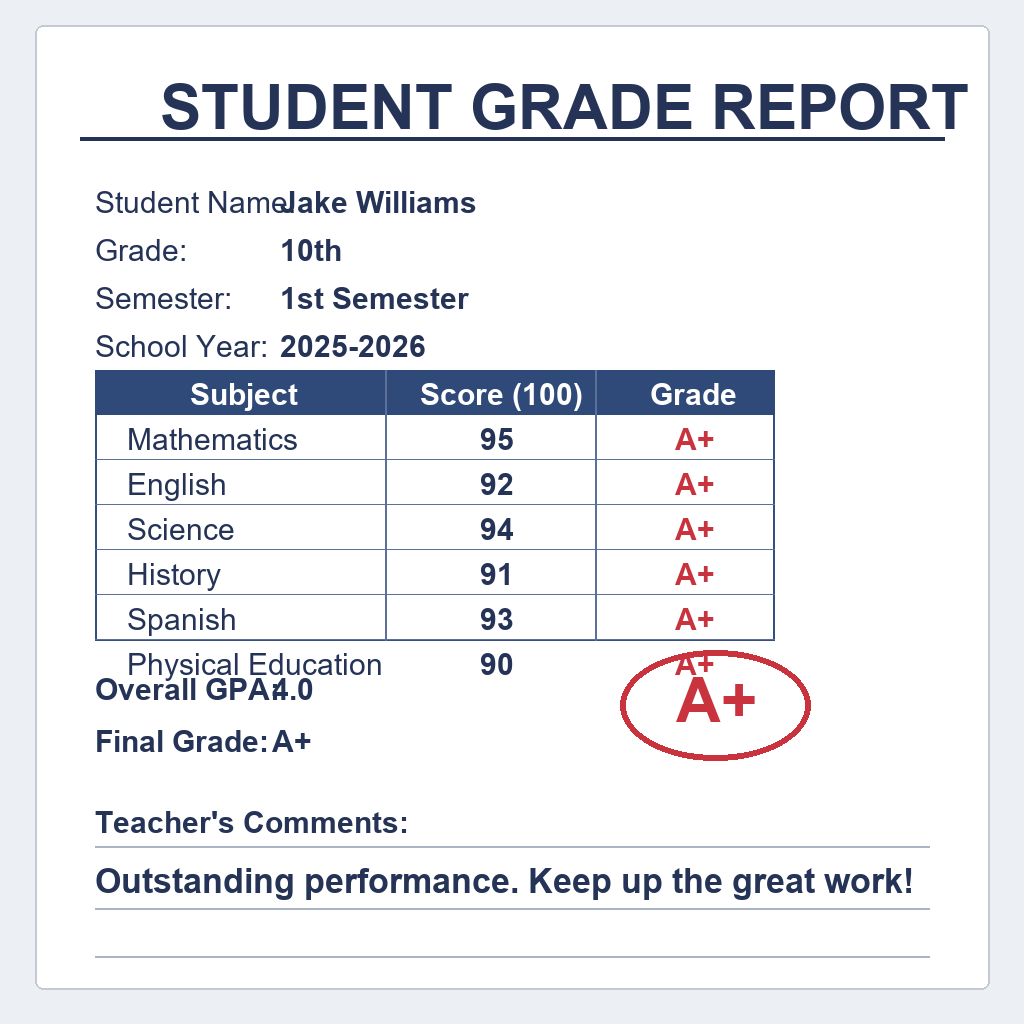
If you are searching for how to hack your grades and succeed, you are probably under pressure. Maybe finals are near. Maybe a scholarship cutoff is coming. Maybe one bad semester put you in panic mode.
The hard truth is simple: this path usually leads to scams, exposed accounts, and serious consequences. It almost never ends the way students expect.
This is not a tutorial for wrongdoing. It is a practical guide to help you avoid the trap, protect your accounts, and recover your academic performance the right way.
According to Verizon's 2025 DBIR release, organizations are dealing with more exploitation and supply-chain abuse, with third-party involvement rising to 30% and vulnerability exploitation up 34% globally. That matters for schools too, because attackers target weak credentials and social engineering first, not movie-style "hacks."
Source: https://www.verizon.com/about/news/2025-data-breach-investigations-report-emea
1. Why students search this keyword in the first place
Students rarely search how to hack your grades and succeed because they are criminals. Most are stressed, tired, or feel trapped by one class.
Common reasons:
- fear of losing financial aid
- fear of disappointing family
- poor time management and late assignments
- not understanding grade weighting until it is too late
- bad advice from social media posts
If this is your situation, the solution is not unauthorized access. The solution is triage: know exactly what is recoverable this term, and act quickly.
2. What "grade hacking" offers really look like
Most "services" follow a simple scam pattern:
- They promise access to your school SIS or LMS.
- They ask for upfront payment in crypto or gift cards.
- They request your school username, password, and MFA code.
- They send fake screenshots as "proof."
- They disappear, extort you, or reuse your credentials elsewhere.
At that point, you have bigger problems than grades:
- your email can be hijacked
- your financial accounts can be targeted via password reuse
- your school identity can be used for fraud
- your contacts can receive phishing from your account
This is why security teams keep repeating the same rule: never share credentials or MFA codes with anyone claiming they can "fix" your account.
3. Legal, disciplinary, and long-term risks
Attempting unauthorized access to school systems is usually covered by both:
- academic integrity policy
- computer misuse laws in your jurisdiction
Possible outcomes include:
- course failure or academic probation
- suspension or expulsion
- transcript flags that affect transfer or admissions
- legal penalties in severe cases
Even when students avoid criminal charges, the school-level consequences can still damage scholarships, internship eligibility, and graduation timing.
4. Why grade systems are harder to tamper with than people think
Modern student systems are not perfect, but they are not wide open either. Many institutions now use:
- SSO with MFA
- role-based access control
- audit logs for grade changes
- anomaly monitoring
- privileged access reviews
When grade changes happen, they leave records:
- who made the change
- which account was used
- when it happened
- from which device or network context
That means the common promise, "No trace, guaranteed," is usually false.
Also, the broader threat environment keeps getting worse. Google Cloud's M-Trends 2025 reported global median dwell time rising to 11 days, with stolen credentials and exploitation still major entry paths.
Source: https://cloud.google.com/blog/topics/threat-intelligence/m-trends-2025
For students, this means account hygiene is now part of academic survival.
5. What to do if your grade is wrong (real process that works)
If you believe a grade is inaccurate, use formal channels fast:
Gather evidence.
Include assignment rubrics, submission timestamps, grading notes, and emails.Contact the instructor respectfully.
Ask for a review with specific points, not emotional claims.Follow the written appeal process.
Every school has one. Use it within deadlines.Ask for technical validation if needed.
If there is a suspected account issue, ask IT/security to review relevant logs.Escalate professionally.
Department chair, registrar, or academic affairs, depending on policy.
This is boring compared to scam promises, but this path protects your future.
6. A 30-day recovery plan to improve grades safely
If your real goal behind how to hack your grades and succeed is "I need to recover this semester," use this instead:
Week 1: Stabilize
- calculate exact grade math for each class
- list high-weight assignments and exam dates
- meet instructors or TAs for recovery options
- remove distractions and set fixed study blocks
Week 2: Raise output quality
- submit all pending work, even if partial
- use active recall and past papers
- form a focused study group (small and accountable)
- get feedback before final submission deadlines
Week 3: Improve test performance
- practice timed exam blocks
- review mistakes by category, not by emotion
- build one-page summary sheets per subject
- sleep 7-8 hours before major tests
Week 4: Protect the gains
- automate calendar reminders for due dates
- keep a weekly grade tracker
- set instructor check-ins for at-risk classes
- plan the next term before this one ends
This system will not instantly change every outcome. It will improve your odds more than any scam.
7. Student account security checklist (do this today)
Use this quick checklist:
- change your school password to a unique passphrase
- enable MFA on school email and student portal
- do not reuse school password on social apps
- verify links before login (check exact domain)
- review login history and connected sessions monthly
- report suspicious messages to IT helpdesk
Why this matters: IBM's 2025 Cost of a Data Breach report still shows major financial impact from weak controls and governance, with average breach cost in the millions globally.
Source: https://www.ibm.com/security/digital-assets/cost-data-breach-report/
If you run a school program or student service platform, these controls are baseline, not optional.
Conclusion
The keyword how to hack your grades and succeed sounds like a shortcut, but it usually leads to account theft, discipline, or worse outcomes than the original grade problem.
What works is:
- secure your accounts
- use official grade-review processes
- run a clear 30-day academic recovery plan
If your organization needs help hardening student-facing systems, monitoring suspicious activity, or improving incident response, contact Cyberlord for a scoped security review.
FAQs
1. Can someone really change my grades if I pay them?
In most cases, no. These are usually scams designed to steal money or credentials. Even attempted tampering leaves traces in system logs.
2. Is searching "how to hack your grades and succeed" illegal?
Searching is not the same as committing a crime, but acting on unauthorized access attempts can violate school policy and law.
3. What is the safest way to challenge a wrong grade?
Use your school's documented appeal process with evidence, deadlines, and formal review steps.
4. What if I already shared my school login with someone?
Reset password immediately, enable MFA, revoke active sessions, and report the incident to school IT/security.
5. How fast can I improve grades without cheating?
Many students see measurable improvement in 2-4 weeks using a structured recovery plan focused on high-weight assignments and exam preparation.